Date: 20 -25TH April 2026
Organized by : MIIF
Objective: The objective of the AR/VR Workshop was to provide students with fundamental and practical knowledge of Augmented Reality (AR) and Virtual Reality (VR) technologies. The workshop aimed to enhance participants’ technical skills by introducing them to AR development tools such as Unity, along with concepts like marker-based and markerless AR. It also focused on developing an understanding of user interaction and interface design in AR environments. Additionally, the workshop encouraged innovation and start-up-oriented thinking by guiding students on how AR/VR technologies can be applied in real-world projects and entrepreneurial ventures.
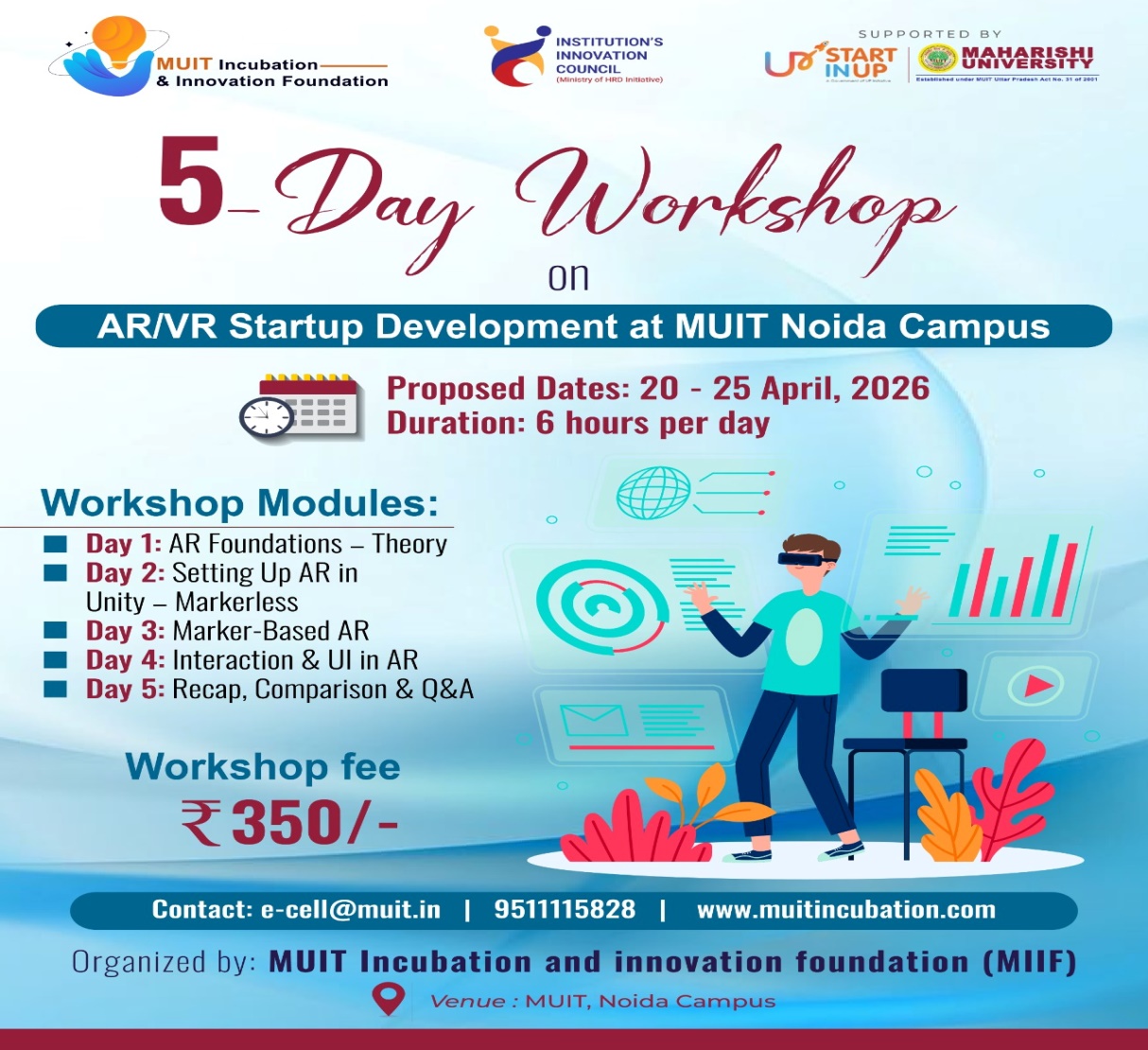
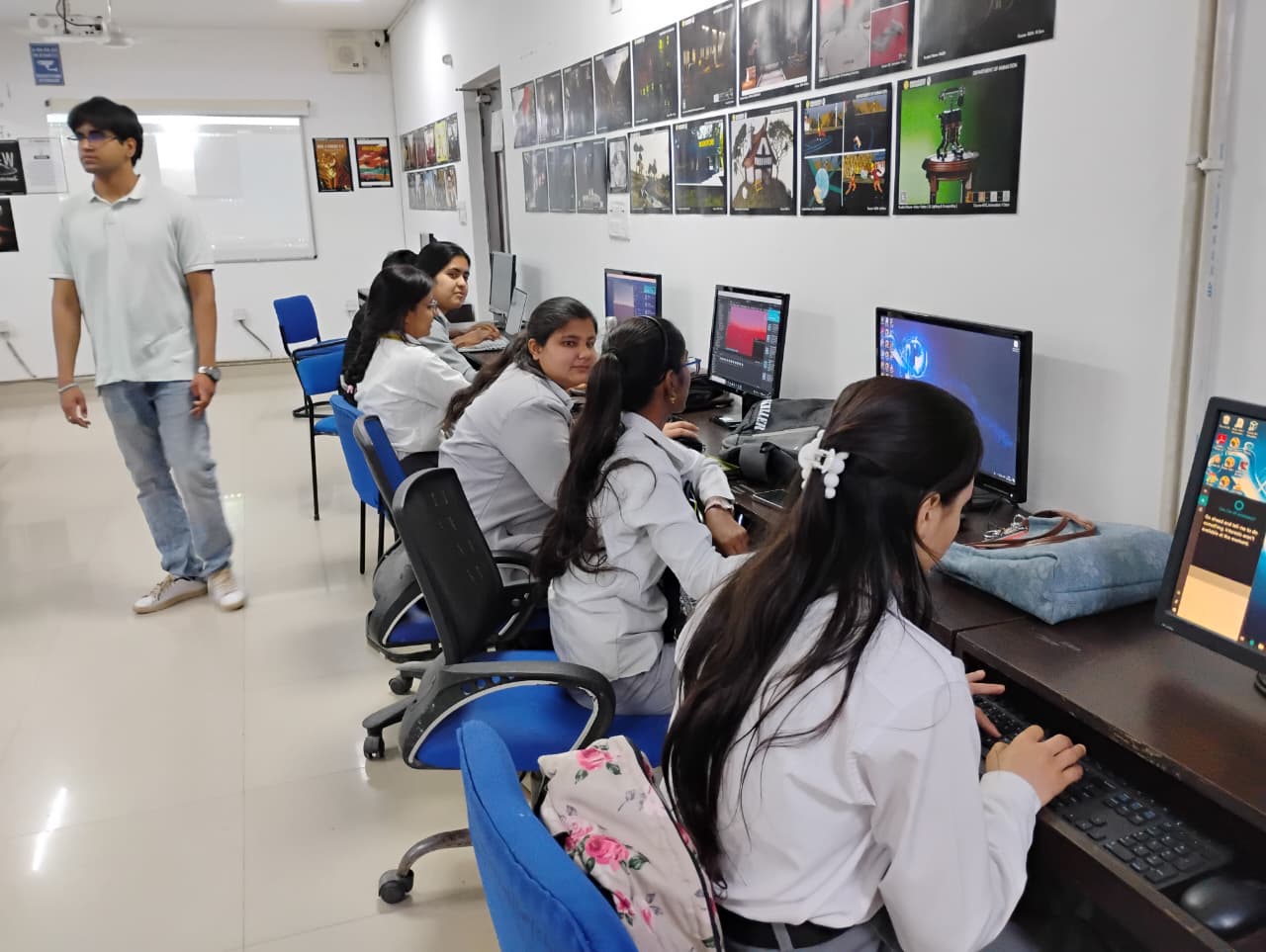
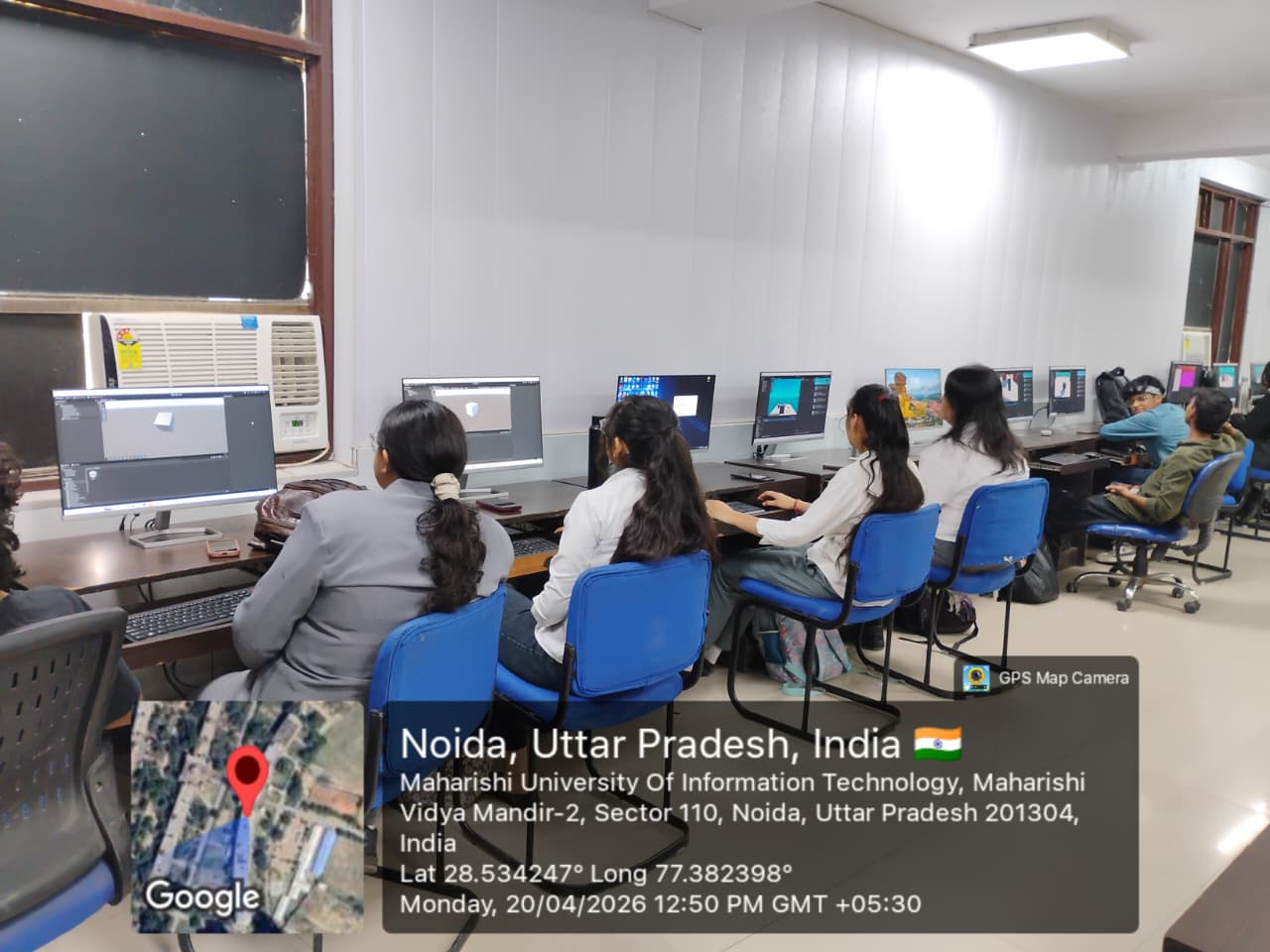
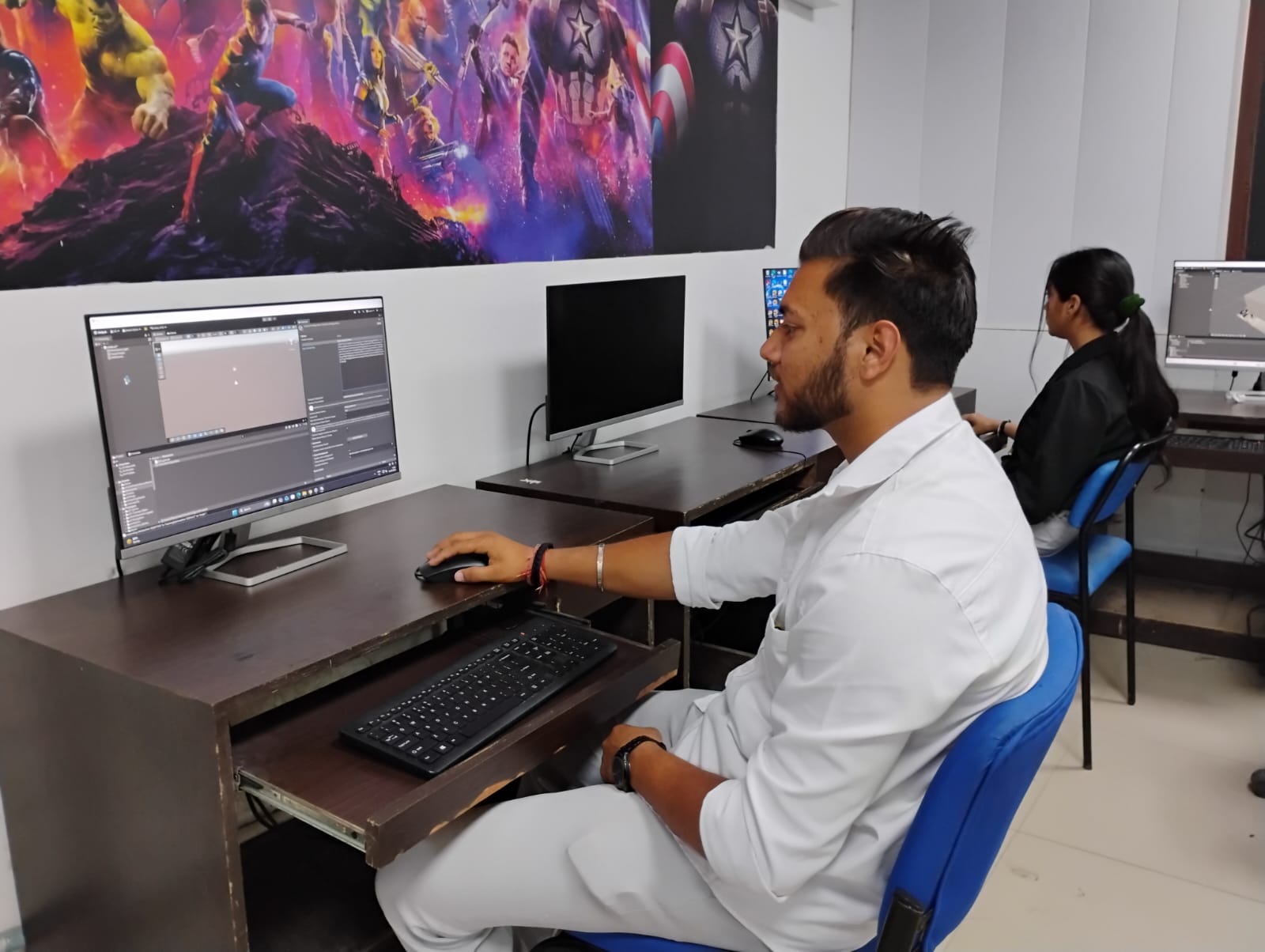
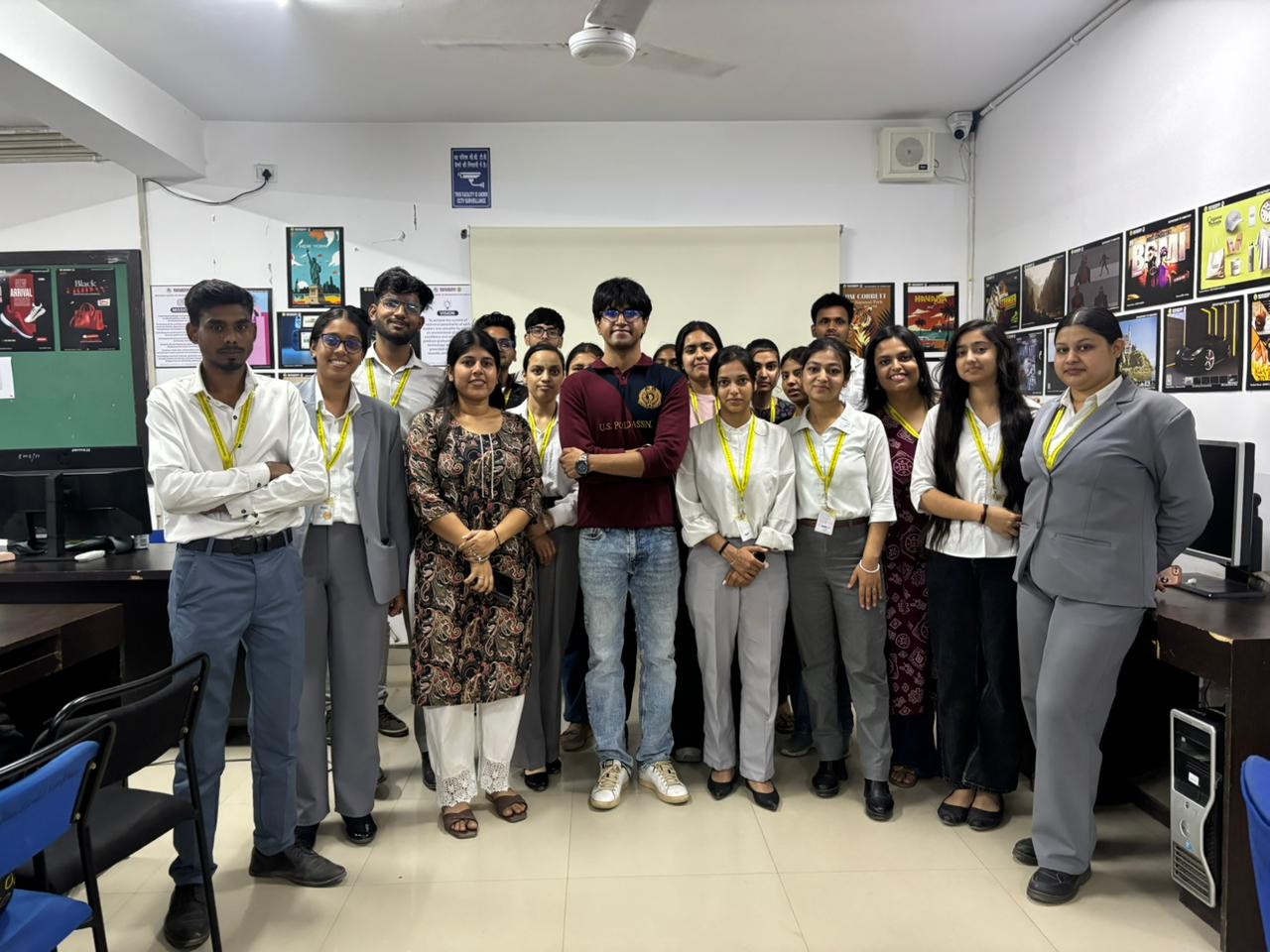
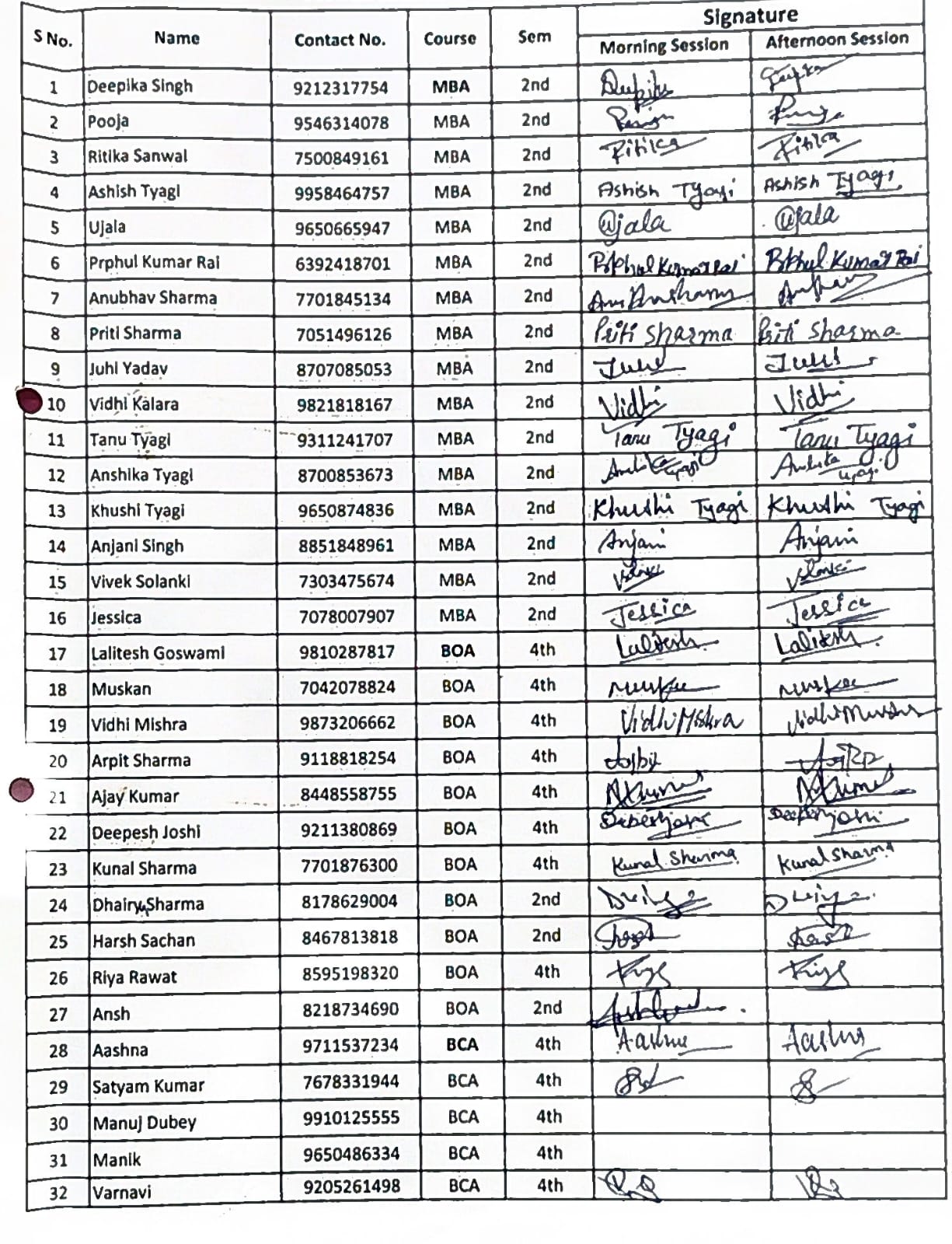
A 5-day AR/VR Workshop was conducted from 20th to 25th April 2026 at MUIT Noida Campus, organized by MUIT Incubation and Innovation Foundation (MIIF). The workshop was designed to provide participants with a balanced combination of theoretical understanding and practical exposure to Augmented Reality (AR) and Virtual Reality (VR) technologies. Each day included interactive sessions, demonstrations, and hands-on practice using tools like Unity. The structure of the workshop was progressive, starting from basic concepts and gradually moving towards advanced implementation and user interaction techniques.
Day 1:
The workshop commenced with an introductory session on AR/VR technologies. Participants were introduced to fundamental concepts, including the differences between AR, VR, and Mixed Reality (MR). The session also highlighted various real-world applications of AR/VR in industries such as education, healthcare, gaming, and business. This day mainly focused on building a strong theoretical base and understanding the scope and future potential of these technologies.
Day 2:
On the second day, participants were introduced to Unity, a widely used development platform for AR/VR applications. They learned how to install and set up the software and became familiar with its interface and basic tools. The concept of markerless AR was explained in detail, and students were guided to create simple AR projects. This session provided valuable hands-on experience and helped participants understand how virtual objects can be placed in real-world environments without markers.
Day 3:
The third day focused on marker-based AR techniques. Participants learned how AR applications use image targets or markers to trigger and display virtual content. They were guided through the process of creating AR models linked to specific images and practiced implementing these concepts in Unity. This practical approach enhanced their understanding of how AR systems recognize and respond to real-world inputs.
Day 4:
Day four emphasized interaction and user interface (UI) design in AR applications. Participants learned how to make AR experiences more engaging by adding interactive elements such as buttons, gestures, and animations. They also explored the importance of designing intuitive and user-friendly interfaces to improve user experience. Practical sessions allowed them to apply these concepts in their ongoing projects.
Day 5:
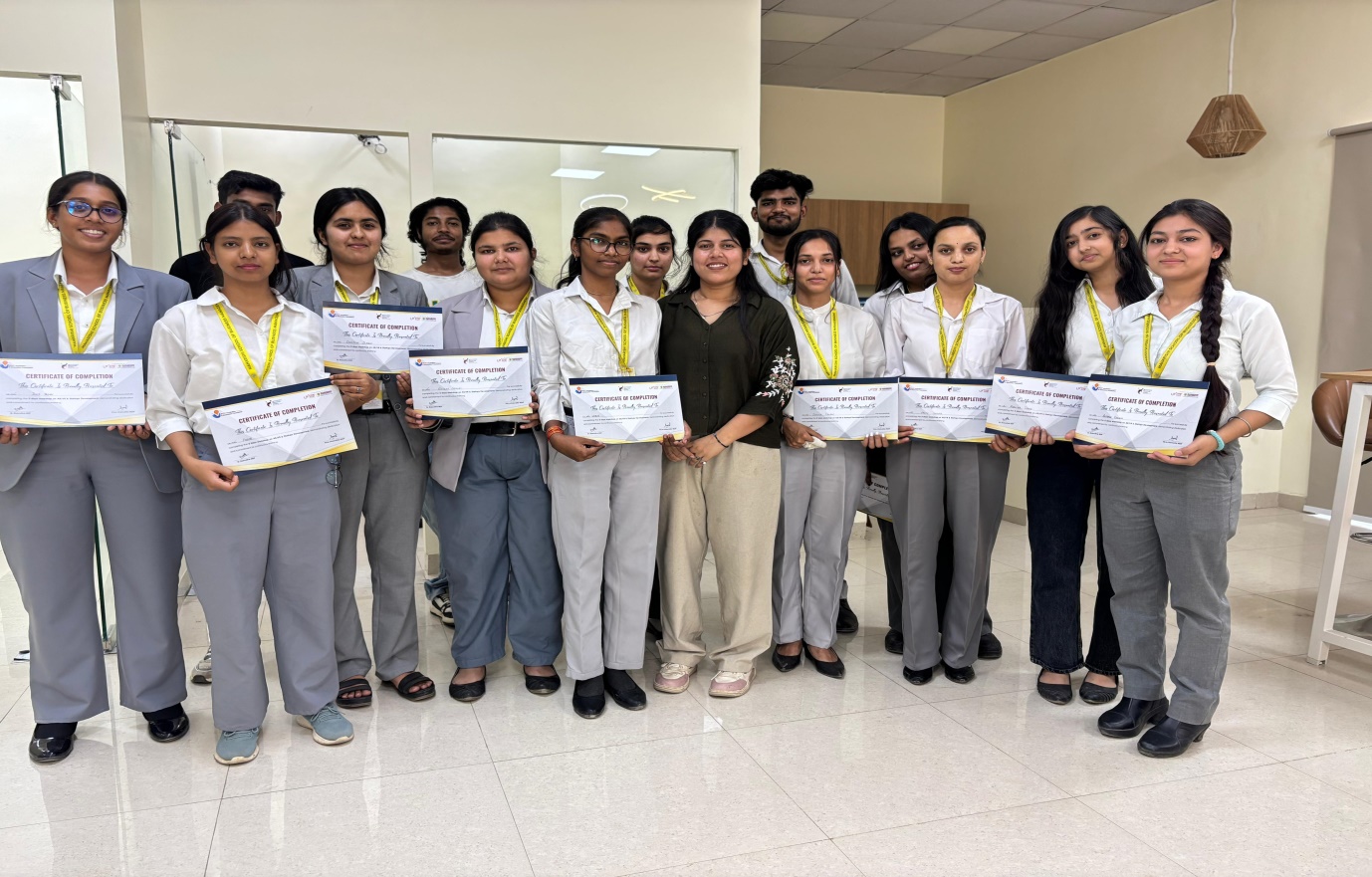
On the final day, all the topics covered throughout the workshop were revised and summarized. A comparison between marker-based and markerless AR techniques was discussed to strengthen conceptual clarity. An interactive Q&A session was conducted, where participants actively asked questions and resolved their doubts. The workshop concluded on a positive note, with participants gaining valuable knowledge, practical skills, and motivation to explore AR/VR technologies further.
+91 9511115829
office@muitincubation.com
Sitapur Road, P.O-Maharishi Vidya Mandir, Lucknow-226013 (UP)
Sector 110, Noida , PO- Maharishi Nagar, Distt. Gautam Budh Nagar, Uttar Pradesh 201304, India